Hot Spots
Put a plain explanation where people already wait
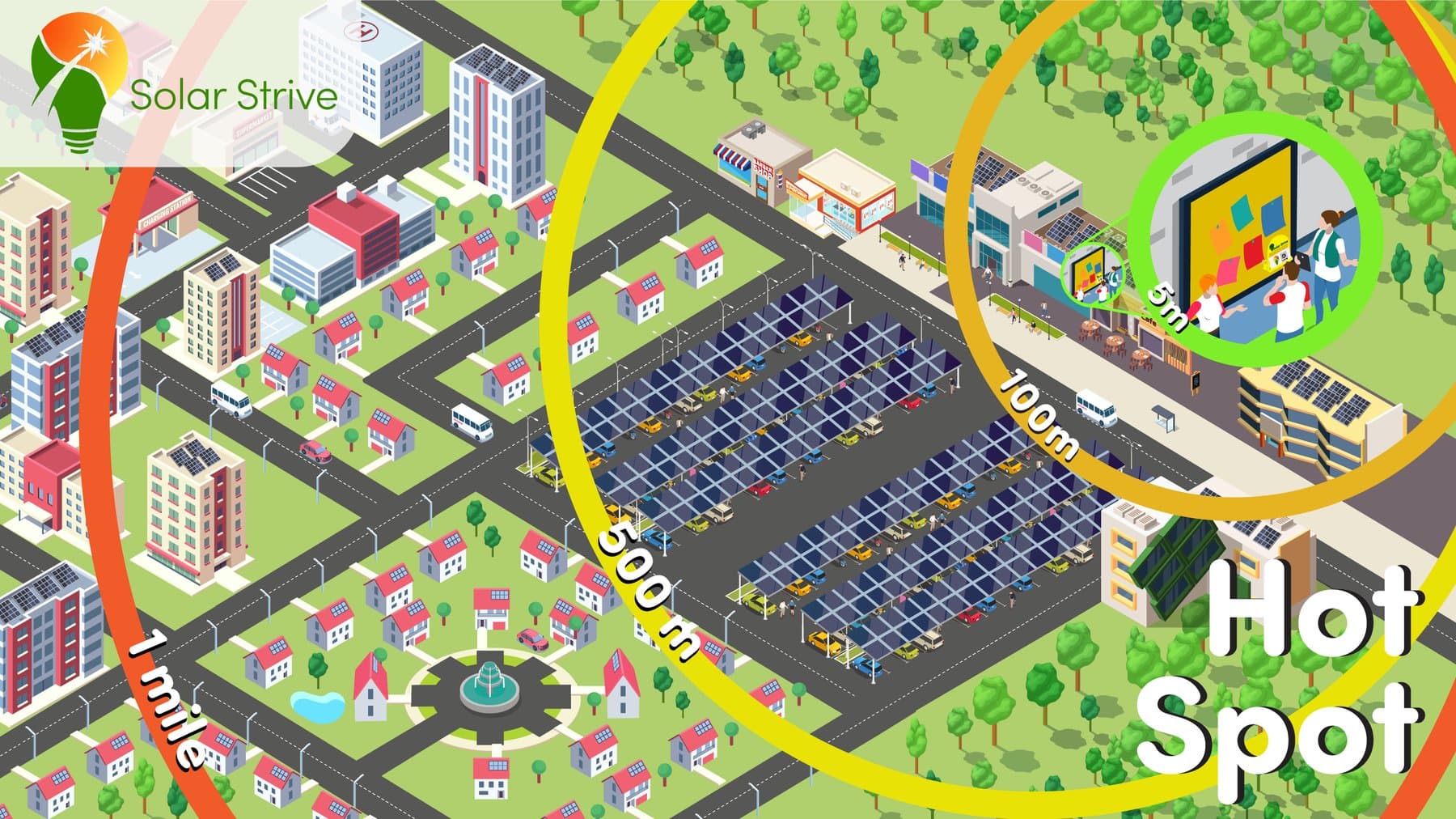
A Hot Spot is a small stand of solar information by a counter — a café, a barber, a hardware store. Customers scan it when they are curious, and the conversation starts on their terms instead of a sales call's.
Which one are you?
I run a local business
Host a stand. It costs you nothing, nobody sells at your customers, and it goes the moment you say so.
Say yes
An owner or manager agrees, and we record their name. No fee, no contract, no staff time.
Pick the spot
You choose where the stand goes — by the register, the waiting chairs, the noticeboard.
We keep it stocked
Someone from the field team restocks it. Say the word and it is gone, no notice needed.
I want to help my neighbours
Find local businesses willing to host, place the stands, and get credited for the connections that follow.
Sign in
A magic link to your email — there are no passwords anywhere on this site.
Read the field guide
How to open a conversation, what you may not say, and what a real yes looks like.
Document a host
Photos and location, with the host’s consent. That record is what any credit is built on.
Rewards are planned in Bitcoin. Being straight with you: the payment rails aren't finished and nobody has been paid yet, so we won't quote a number we can't honour.
Why a counter beats a front door
One stand in a busy place is seen by more of a neighbourhood than any knock could reach.
What happens after a scan
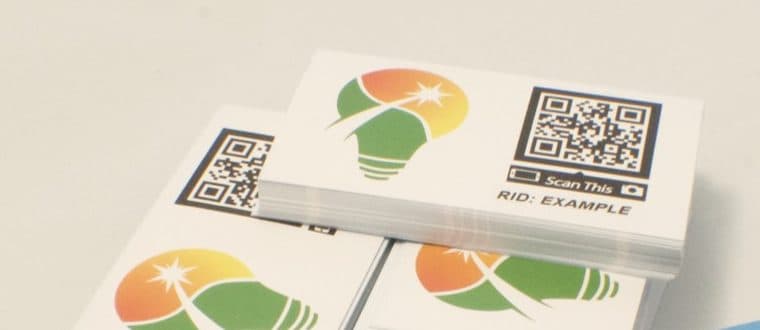
Every scan is recorded against the code that produced it, and a consultation request that starts from a scan carries that code with it.
It starts where people already are
A local business — a coffee shop, a barber, a library noticeboard — agrees to keep a small stack of solar information by the door.
Someone curious scans it
No pitch, no pressure, nobody knocking on a door. Interest has to come from them — that is the whole point of the model.
They ask a real question
They tell us about their roof, their bill, their situation — and consent to being contacted about it. Nothing happens without that.
A licensed partner takes it from there
We do not sell, permit, or install. Our partner handles the survey, the paperwork and the work — and the neighbour who put the card there gets the credit.
The Hot Spot map
No placements are marked yet. Solar Strive is starting in the Virginia / Maryland / DC region, and this map fills in as hosts agree to keep materials by the door. Nothing here is a projection — it is a count of real places that said yes.